

🔴 Emergency carpet mold? Call A-1 now: 515-432-7500. Same-day service in Ames, Des Moines & Ankeny.
If you have found mold in your carpet, here is the short answer: a small patch — under 10 square feet, wet for less than 48 hours, and caused by clean water can often be removed safely yourself. But if the mold came from a flood, covers a large area, or has spread into the carpet padding, you need a professional right away. This guide walks you through how to tell the difference, how to remove carpet mold safely, and why Iowa basements are especially at risk.
Is Carpet Mold Dangerous?
Yes, carpet mold is a genuine health concern, though not in the way scary headlines suggest.
Mold releases spores into the air, and breathing them in can trigger:
- Coughing, sneezing, and nasal congestion
- Itchy or watery eyes and skin irritation
- Worsening asthma or allergy symptoms
People with asthma, allergies, or weakened immune systems along with young children and older adults tend to react more strongly. You may have heard that “toxic black mold” causes severe illness, but major medical sources find little evidence for that. The color of mold does not determine how harmful it is.
The takeaway is simple: all mold should be removed, no matter its color. Beyond health, mold also damages your carpet padding and subfloor and leaves a stubborn musty smell.
How to Identify Mold in Carpet
Catching mold early makes removal far easier. Watch for these warning signs:
- A musty, sour smell often the very first clue, before anything is visible
- Discoloration green, gray, white, or black patches on the carpet
- Carpet that stays damp long after a spill or leak
- Allergy symptoms that get worse indoors but ease when you leave
One important point: mold often hides underneath the carpet, growing in the padding where you cannot see it. If your carpet smells musty but looks fine, mold may still be lurking below. A musty odor is one of the clearest signs something is wrong with your carpet and should never be ignored.
How to Get Mold Out of Carpet Yourself (When It’s Safe)
Before you touch anything, confirm that DIY is even appropriate. Cleaning it yourself is reasonable only if all of these are true:
- The moldy area is smaller than 10 square feet
- The carpet was wet for less than 48 hours
- The water was clean — not flood or sewage water
- No one in the home has asthma or a weakened immune system
If any of those fail, skip ahead to the professional section.
Safety gear first. Put on an N95 or HEPA respirator, gloves, eye protection, and long sleeves. A regular dust mask will not protect you from mold spores.
Then follow these steps:
- Ventilate and contain the room. Open windows, but close interior doors so spores do not drift through your home.
- Vacuum with a HEPA filter. This captures loose spores. A standard vacuum can actually spread mold around your house.
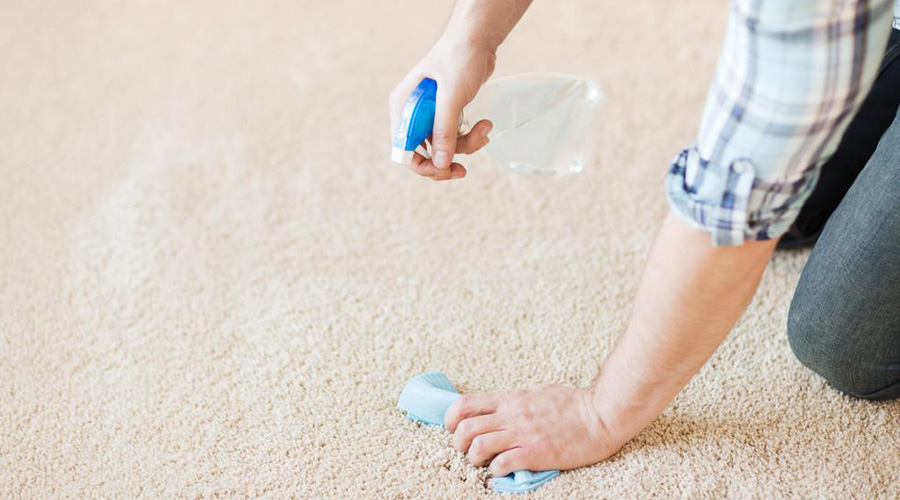
- Treat the area with white vinegar. Spray it on, let it sit 30–60 minutes, then gently scrub with a stiff brush. Blot the area — never soak it.
- Dry it completely and fast. Run fans and a dehumidifier until the carpet is fully dry. Leftover moisture brings mold straight back.
- Discard moldy padding. Carpet padding cannot be reliably cleaned. If it is affected, it has to go.
One safety rule that matters: never mix cleaning chemicals — especially bleach and ammonia — as the fumes are toxic.
The 48-Hour Window — Why You Must Act Fast
This is the single most important thing to understand about carpet mold.
When carpet gets wet, mold spores begin germinating within 24 hours — silently, with no smell or visible spots yet. By the 48-hour mark, mold colonies start to take hold. This timeline is the published standard used by FEMA, the CDC, and the cleaning industry.
That is why speed matters so much. The faster water is extracted and the carpet is dried, the better your chance of saving it. Wait too long, and cleaning is no longer an option — replacement becomes the only safe choice.
If your carpet has been wet for more than a day, do not gamble. Call a professional immediately.
When You Must Call a Professional
Some situations are simply not safe or effective to handle alone. Call a professional carpet cleaner right away if:
- The mold covers more than 10 square feet
- The mold was caused by flooding or contaminated water (sewage, river, or storm water)
- Mold has reached the carpet padding or subfloor
- The mold keeps coming back after you have cleaned it
- Anyone in your home has asthma, allergies, or a compromised immune system
Flood-caused mold is especially serious. Carpet soaked by contaminated water usually cannot be saved and needs professional removal — trying to DIY it puts your health at risk.
Iowa-Specific Mold Risks: Floods, Snowmelt & Basement Carpets
Iowa homes face carpet mold more often than most, and the reasons are seasonal.
Spring snowmelt and summer storms. When snow melts or heavy rain falls on already-saturated ground, groundwater rises and pushes water toward basements. Iowa’s summer thunderstorms can also overwhelm storm drains in minutes.
Sump pump failure. A sump pump is your basement’s main defense — until a storm-related power outage knocks it out. This is one of the leading causes of basement flooding across central Iowa.
Older foundations. Many Ames-area homes have small foundation cracks that quietly let water seep in.
Basement carpets sit closest to all of this, which makes them the most mold-prone flooring in the house. And here is something many homeowners miss: over 20% of flood claims come from low-risk zones, so even a home that has never flooded is not exempt. Standard homeowners insurance also often excludes groundwater damage — worth checking your policy before spring.
How to Prevent Carpet Mold
A little prevention saves a lot of stress:
- Keep indoor humidity below 50% with a dehumidifier
- Fix leaks and dry spills immediately
- Test your sump pump before spring and add a battery backup
- Avoid wall-to-wall carpet in basements and other damp rooms
- Schedule regular professional cleaning to keep carpets fresh and dry
Seasonal cleaning helps too. A spring carpet cleaning to remove winter salt and grit also clears trapped moisture before mold season begins.
Frequently Asked Questions
Can moldy carpet be saved, or does it need replacing? Small, recent mold from clean water can often be cleaned. Flood-damaged carpet or mold in the padding usually needs replacement.
Does vinegar really kill mold in carpet? White vinegar kills many surface molds and neutralizes odors, making it a good DIY option for small areas. Deep or hidden mold needs professional treatment.
How long does it take for mold to grow in wet carpet? Mold can begin growing within 24 to 48 hours of the carpet getting wet — which is why fast action is essential.
Does homeowners insurance cover mold in carpet? It depends on the cause. Many policies exclude groundwater and flood damage, so always check your specific coverage.
Carpet Mold Emergency? We’re Here to Help
Carpet mold spreads fast, and every hour counts. Whether it is a flooded basement, a hidden leak, or a stubborn musty smell, acting quickly protects both your home and your health. Our team also handles tough related problems, from pet urine deep in carpet padding to set-in wine and coffee stains.
At A-1 Carpet Cleaning, we provide fast, professional carpet mold removal and water-damaged carpet cleaning for homeowners across central Iowa.
📍 Serving Ames, Iowa & surrounding areas 📞 Call A-1 Carpet Cleaning: 515-432-7500 — Same-day service in Ames, Des Moines & Ankeny 🌐 https://a-1-carpetcleaning.com/
This article is for general guidance only. For large floods or whole-home mold, contact a certified mold remediation specialist. If you have health concerns related to mold exposure, consult a medical professional.