

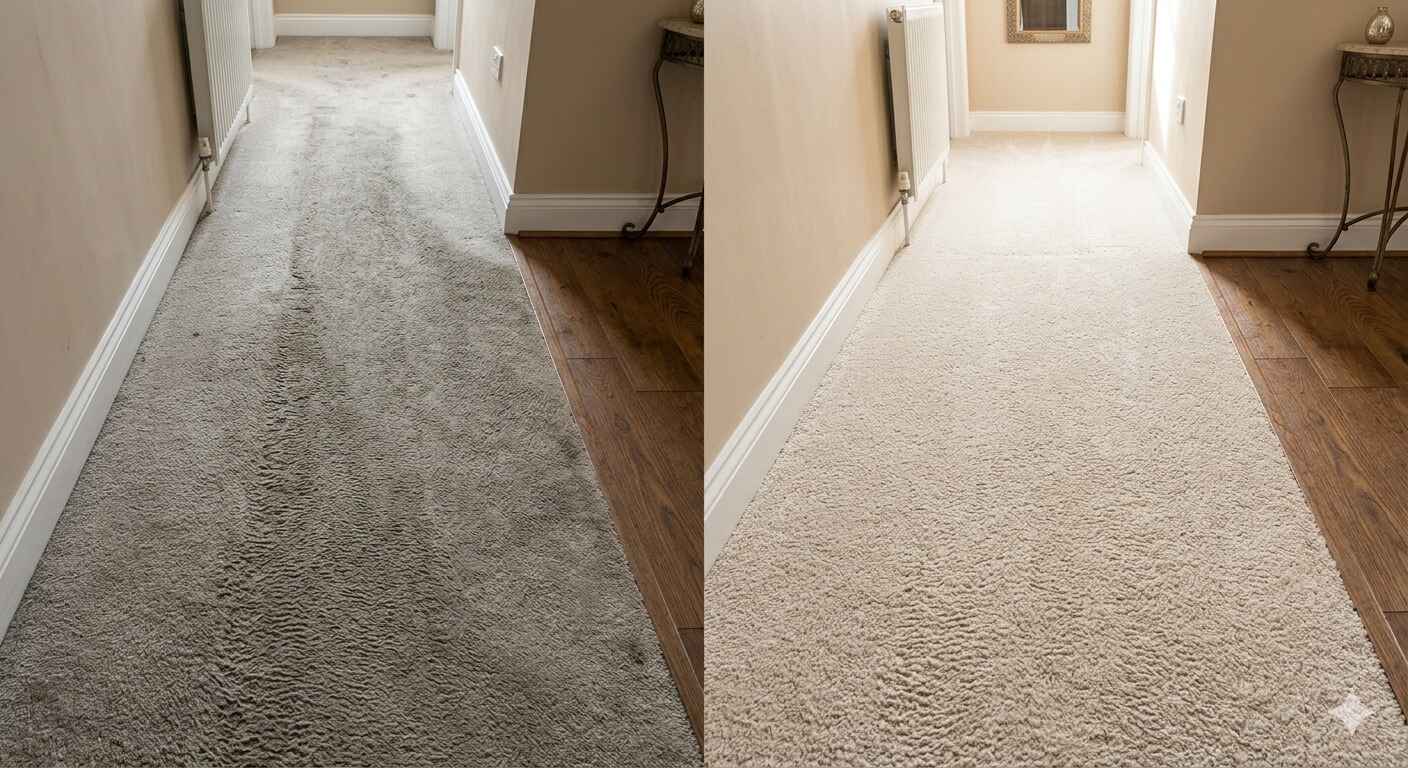
You walk the same path every day down the hallway, past the sofa, through the front door. And slowly, that path gets darker.
It’s not your imagination. High-traffic carpet areas darken faster because they collect grit, body oils, and compressed fibers all at once. Each problem makes the next one worse. Together, they cause damage that regular vacuuming alone can’t fix.
The good news? Once you know why it happens, you can stop it.
What’s Actually Making Your Carpet Turn Dark?
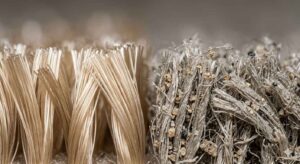
Most people assume it’s just dirt. It’s not that simple.
When you walk the same route every day, four things happen to your carpet fibers:
1. Grit scratches the fibers. Tiny particles of sand and soil act like sandpaper. Every step grinds them deeper. They scratch the fiber surface, and scratched fibers can’t reflect light properly. This is called fiber abrasion. Once it happens, no cleaning fully reverses it.
2. Oils stick to the fibers. Skin oils from bare feet and shoe residue settle deep into the carpet. Oil acts like glue. It grabs onto new soil and holds it in place. That’s why some areas feel dirty again just days after cleaning.
3. Fibers flatten and absorb more light. Constant foot pressure pushes carpet pile flat. Flat fibers absorb light instead of reflecting it. That’s why a freshly vacuumed hallway can still look dull and dark. The fibers physically changed direction.
4. Airborne particles settle in. Air flows through your home all the time. As it passes under doors and along baseboards, your carpet acts like a filter. It catches tiny particles of soot, dust, and cooking vapors. This is called filtration soiling. It adds a thin, stubborn gray layer over time.
These four forces work together to create what carpet pros call traffic lanes. They can start forming within just a few months of moving in.
Why Hallways and Stairs Get Hit the Hardest
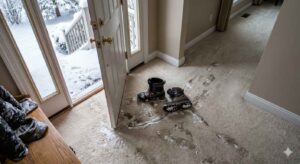
Not all carpet areas darken the same way.
Hallways, stairs, and entryways share one thing: concentrated, repeated foot traffic in a narrow path. That focused pressure causes fast, visible damage.
Scattered foot traffic across a large room causes gradual wear. Repeated traffic in one narrow strip causes serious damage fast.
There’s also an optical trick. The dark, flat lane sits right next to fluffy, light-reflecting carpet that barely gets walked on. That contrast makes the problem look far worse than it actually is.
Here’s the Ames-specific part:
For homeowners dealing with carpet cleaning in Ames, Iowa, the problem moves faster than average. Iowa winters track in road salt and grit. Spring brings mud. Summer brings dry soil and dust. Your carpet takes that hit every single season.
Calcium chloride is the white de-icing powder used on Ames sidewalks every winter. It’s also highly abrasive. When it gets tracked in and ground underfoot, it acts like a file on your carpet fibers. It speeds up darkening far faster than regular dirt.
Ames also sees higher-than-average filtration soiling — those dark lines that form along baseboards and under doors. Older homes near the downtown area are especially prone. The air sealing is older. Gaps around baseboards are wider. More air movement means more fine particles filtered through your carpet, even in rooms that barely get foot traffic.
Does Carpet Type Make a Difference?
Yes, significantly. Here’s a quick comparison:
| Carpet Fiber | Traffic Durability | Why It Darkens |
|---|---|---|
| Nylon | Excellent | Resilient to crushing; stays bright longer; oils don’t bond as quickly |
| Polyester | Fair | Scratches easily under abrasion; oils bond quickly and trap more soil |
| Wool | Superior | Naturally “bouncy” — springs back from compression; hides soil effectively |
Got polyester in a busy hallway? You’re not stuck. Just vacuum more often and schedule professional cleanings sooner.
Nylon is the better choice when replacing carpet in a high-traffic area. Wool is the gold standard — but the price reflects that.
Carpet color matters too. Light-colored carpets show traffic lane darkening much sooner than darker shades. They’re not worse they just need more frequent attention.
7 Simple Habits That Slow Down Carpet Darkening
You can’t stop people from walking. But you can reduce the damage with these habits:
1. Vacuum high-traffic areas 3–4 times per week. Most of the grit causing fiber damage is dry and easy to lift before it grinds in. Slow down in these zones. Use overlapping strokes. Regular vacuuming removes up to 80% of dry soil before it can cause permanent damage.
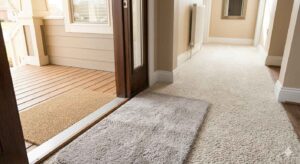
2. Use a two-mat entry system. Put a coarse scraper mat outside your front door. Add an absorbent mat just inside. This catches most tracked-in soil before it ever reaches your carpet.
3. Go shoe-free indoors and check your slippers. Outdoor shoes carry grit and oils that embed immediately. Most people swap to slippers smart move. But here’s something almost nobody knows:
The insider tip most homeowners miss: Black rubber-soled slippers are made with dark petroleum dye. That dye quietly transfers from the sole into your carpet fibers with every step. You can vacuum constantly, never wear outdoor shoes indoors, and still end up with dark traffic lanes all because of your slippers. Switch to light-colored soles or natural crepe rubber. This problem disappears completely.
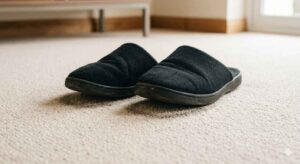
4. Lay runners in your main traffic paths. A hallway or stair runner takes the daily beating instead of your carpet. Rotate or replace it periodically to spread wear more evenly.
5. Rotate area rugs every 6–12 months. No single carpet section should carry all the foot traffic. Rotating your rugs shifts the wear pattern before it becomes permanent.
6. Groom your carpet pile. A carpet rake resets the fiber direction after compression. It takes a few minutes and visibly brightens traffic areas between cleans.
7. Reapply carpet protectant after every professional cleaning. Protectant sprays like Scotchgard coat the fibers and slow oil bonding. Most homeowners skip this step. Don’t it makes a real difference between cleans.
For a full day-to-day routine, check out the Weekly Carpet Maintenance Tips for Busy Ames Families from A-1 Carpet Cleaning.
Can You Fix Dark Traffic Lanes Yourself?
Renting a carpet cleaning machine might seem like a good solution. Here’s the honest answer: it helps, but it rarely fixes the real problem.
Most rental machines don’t generate enough heat or water pressure to break down oils deep in the fiber. The result is surface-level cleaning. It looks better for a week, then comes back darker than before.
Even worse too much detergent leaves a sticky residue. That residue grabs new dirt fast. That’s why DIY-cleaned lanes often come back darker within days.
Before reaching for any store-bought product on a stubborn spot, read the Spot Removal Guide from A-1 Carpet Cleaning first. Some products push stains deeper or permanently change your carpet’s color.
What Professional Cleaning Actually Does Differently
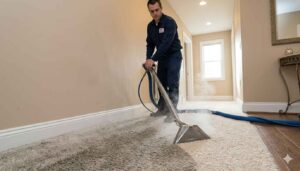
Professional hot water extraction (also called steam cleaning) is the industry standard for a reason.
It sends high-pressure, high-temperature water deep into the fiber not just the surface. It breaks down the oils that glue new soil to the fibers. It loosens compacted grit. Then it flushes everything out in one pass. A home rental machine can’t do any of that.
This matters especially for families with young children or pets. Kids crawl on high-traffic carpet. Pets sleep on it. Those bonded oils and trapped allergens sit right at floor level where it counts.
Professional extraction removes that layer completely. It doesn’t leave behind sticky chemical residue the way store-bought cleaners do. No residue means no “re-attracts dirt” problem. Your carpet stays cleaner, longer.
This is why many Ames homeowners ask specifically for the Rotovac 360i system. This page explains why it outperforms conventional cleaning worth reading before you book anything.
One important thing to know: if carpet fibers are physically worn and scratched, cleaning improves the look — but can’t fully restore them. That damage is structural. The sooner you act, the better the outcome.
When Should You Call a Professional?
For most homes, a professional clean every 12 to 18 months keeps traffic lanes under control. Homes with kids, pets, or allergy sufferers may need it more often.
Don’t wait for the carpet to look visibly bad. Look for these signs it’s time to book:
- Dark patches that stay dark even after vacuuming
- Carpet that feels sticky underfoot between cleans
- Lingering odors in walking areas
- Matting that pile grooming doesn’t fix
If you prefer non-toxic treatments especially with young children or pets A-1 Carpet Cleaning offers green cleaning options for Ames residents that work just as well.
The Short Version
Dark traffic lanes happen for three reasons: grit scratches the fibers, oils glue new soil in place, and compression changes how your carpet reflects light. All three compound each other over time.
The most important things you can do right now:
- Vacuum high-traffic areas more often
- Set up a two-mat entry system
- Schedule a professional deep clean before damage becomes permanent
The longer you wait, the less reversible it becomes.
Ready to Restore Your Carpet?
A-1 Carpet Cleaning helps Ames homeowners get ahead of traffic lane damage with professional, high-performance cleaning.
📍 Serving Ames, Iowa & surrounding areas 📞 Call us: 515-432-7500 🌐 Schedule your cleaning → a-1-carpetcleaning.com
Don’t wait until the damage is permanent. Your carpet will thank you.