

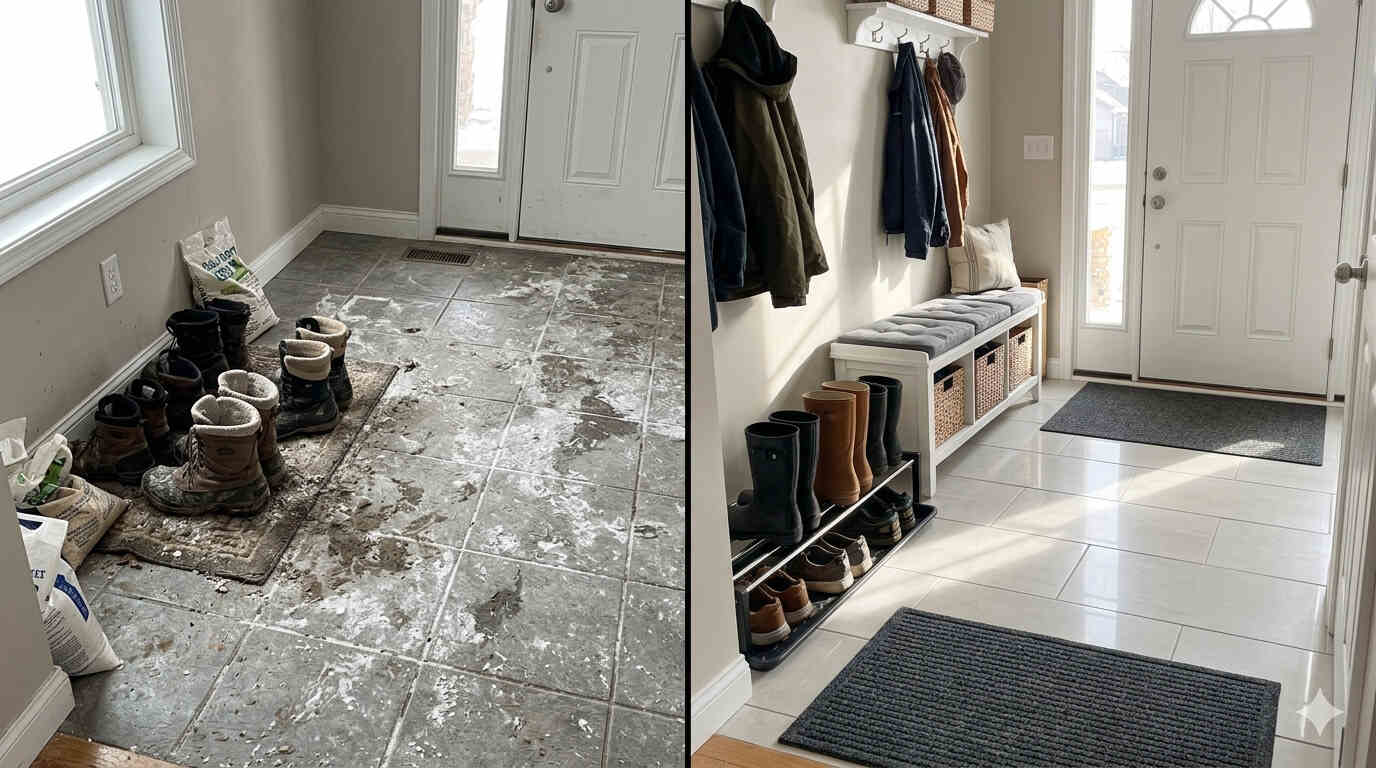
Don’t Let Winter Salt Stay for Summer: How to Protect Your Entryway From Salt, Mud & Spring Damage
Here’s what most Ames homeowners don’t realize: the snow melting doesn’t mean the damage stops. Road salt the calcium chloride and rock salt spread across Story County roads all winter leaves behind a white, abrasive residue that keeps eating into your tile grout and dulling your floor finish well into April. If your entryway tile looks hazy, feels gritty, or has white chalky rings near the door, that’s not just dirt. That’s salt that’s still chemically active right now.
The good news is you’re not too late. You’re actually at the exact right moment to act after the worst of winter but before spring mud season arrives. Do three things now: remove the salt crust safely, switch your mat setup for mud season, and seal your grout before spring rain soaks into the damage. This guide walks you through each step clearly.
Why the Salt Doesn’t Disappear When the Snow Does
Iowa roads get treated hard every winter. The Iowa DOT applies over 101,000 tons of salt and millions of gallons of brine across the state each season. Every time someone walks through your front door from November through March, they carry that chemistry directly onto your floors.
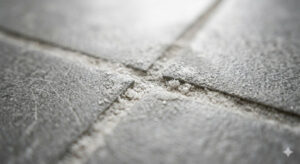
The problem is how salt behaves once it’s inside. It dissolves on wet boots, soaks down through the grout lines, and recrystallizes in the pores beneath the surface. What you see as a white haze or chalky film on tile technically called efflorescence is the visible sign of salt that’s bonded deep into your grout. It looks cosmetic. It isn’t.
Three deicing chemicals show up on Iowa roads, and all three damage tile differently:
- Sodium chloride (standard rock salt) most common, dries to a white crust, weakens grout over time
- Calcium chloride used in extreme cold, most corrosive, accelerates grout pitting and discoloration
- Magnesium chloride lower freeze point, but still alkaline enough to break down unsealed grout over repeated exposure
Here’s what makes spring especially tricky: rising temperatures and humidity reactivate dormant salt residue. Floors that looked acceptable in February can look noticeably worse by late March not from new dirt, but from salt that’s been sitting in your grout all season waiting for warmer conditions.
How to Safely Remove the Salt Crust Right Now
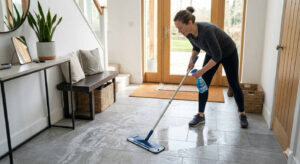
Before applying any moisture, always dry vacuum or sweep the entryway first. This matters more than most people realize applying water to loose salt crystals dissolves them and pushes them deeper into the grout. Get the dry debris off the surface first.
Then use a diluted cleaning solution. For ceramic or porcelain tile, a 1-to-3 mix of white vinegar and warm water works well. Spray it on, let it sit for about 10 minutes to break down the alkaline salt bond, then wipe with a microfiber mop or cloth.
Important: if you have natural stone tile marble, travertine, or limestone skip the vinegar entirely. The acid will etch the surface. Use a stone-safe, pH-neutral cleaner only.
After cleaning, rinse with clean water and dry the floor right away. Standing water reactivates residue and creates a moisture path into unsealed grout.
One quick test tells you whether your grout is still protected: drop a few drops of water onto a grout line and watch what happens. If the water beads up, your sealer is holding. If it soaks in within 30 seconds, your grout is unprotected and it’s been absorbing salt all winter.
Phase Two: Your Entryway Mat Strategy Needs to Change for Spring

Winter mats and spring mats serve completely different purposes, and most people keep using the same one year-round. In Iowa, “spring” is really just mud season with better marketing. From late March through early May, you’re dealing with wet boots, thawing clay soil, and heavy rain a totally different threat from dry winter grit.
Heavy rubber scraper mats are great for knocking solid debris off boots. But wet mud needs absorption, not just scraping. The setup that works best for spring is a simple two-zone system:
- Outside the door: A rubber or polypropylene scraper mat with raised ridges removes mud and grit from boot soles before anyone steps inside
- Just inside the door: A high-absorbency microfiber or cotton wiper mat captures moisture and finer particles that make it past the scraper
In spring, plan to wash your indoor mat every 3 to 5 days instead of weekly. Mud season loads them up faster than salt season does. A machine-washable mat makes this practical rather than a chore. Adding a boot tray next to the door gives wet footwear somewhere to sit and keeps meltwater and mud runoff contained in one spot.
Why Spring Is the Best Time to Seal Your Grout
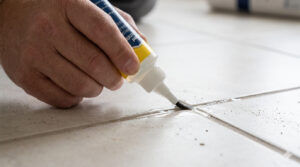
Once the salt is cleaned out and mud season is on the way, sealing your grout is the single most protective thing you can do for your entryway floor. And spring is genuinely the best window to do it — temperatures between 50 and 75°F, no freeze risk overnight, and humidity low enough for the sealer to cure properly.
There’s one rule that matters here: clean the grout first, then seal. Applying sealer over salt-contaminated grout locks the damage in permanently. The sealer hardens over the contamination and traps it beneath making the problem worse, not better. If your grout failed the water-drop test, get it professionally cleaned before any sealer goes down.
A quality penetrating grout sealer absorbs into the pore structure of the grout and repels both moisture and staining. Applied correctly in spring, it lasts 3 to 5 years — which means one visit now protects your floors through next winter and the mud season after that.
If your floors took a hard hit this winter, a professional tile and grout cleaning is worth doing before you seal. Consumer cleaning tools remove surface residue but can’t extract salt that’s bonded into the grout substrate. A professional service uses a pH-neutralizing pre-spray to break those alkaline bonds, followed by hot water extraction that pulls the contamination out from the grout pores not just the surface. You can see what that process looks like and what it costs in our Ames carpet cleaning and tile services guide.
Your Week-by-Week Spring Entryway Reset Plan
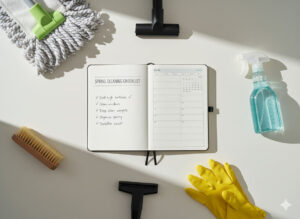
You don’t need to do everything at once. Here’s a simple sequence that works:
- This week: Dry vacuum daily, do the grout water-drop test, apply diluted vinegar or pH-neutral cleaner to visible salt haze
- Next week: Swap your winter mat for a mud-season combination setup, add a boot tray, mop 2–3 times per week
- Week three: If the water-drop test showed unsealed grout, or white haze keeps returning after cleaning, book a professional tile cleaning
- Week four: Apply a penetrating grout sealer or have it done as part of the professional service and let it cure 24–48 hours before heavy use
- Ongoing: Wash your indoor mat every 3–5 days, spot-treat mud within 20 minutes of tracking, and vacuum the entryway daily through mud season
For homeowners dealing with entry carpet runners as well as tile, spring is also the right moment to deep-clean those. Salt and grit settle deep into carpet fibers the same way they do in grout and the same urgency applies. If you’ve already been thinking about your carpets, our guide on spring carpet cleaning in Ames covers the full picture for both surfaces.
Frequently Asked Questions
Does road salt permanently damage tile?
In most cases, no if you catch it before the damage goes too deep. Salt causes grout pitting, surface dulling, and eventual adhesive weakening, but professional cleaning and resealing can restore function and appearance before permanent damage sets in. Acting now, while the season is turning, is the right call.
How often should entryway grout be sealed in Iowa?
Once a year is the minimum for high-traffic entryways with winter salt exposure. Spring is the ideal window every time post-freeze-thaw cycle, correct temperature range for curing, and timed perfectly to protect against the mud season that follows.
What’s the best time to book a professional entryway cleaning in Ames?
Right now. Spring slots fill up quickly, and waiting until mid-April means working around the peak season rush. Booking in late March or early April gets you ahead of the schedule and locks in spring promo pricing.
Reset Your Entryway Before Spring Guests Arrive
Graduation parties, spring gatherings, family visits your entryway is the first thing people see when they walk through your door. One professional visit handles both tile and carpet in a single appointment: deep-clean tile and grout to remove winter salt and restore the finish, then extract salt, grit, and allergens from entry carpet runners at the same time. It’s the complete spring entryway reset — done before the mud season makes it worse.
📍 Serving Ames, Iowa & surrounding areas 📞 Call A-1 Carpet Cleaning: 515-432-7500 🌐 a-1-carpetcleaning.com
IICRC Certified · Eco-Friendly Solutions · Safe for Pets & Children