

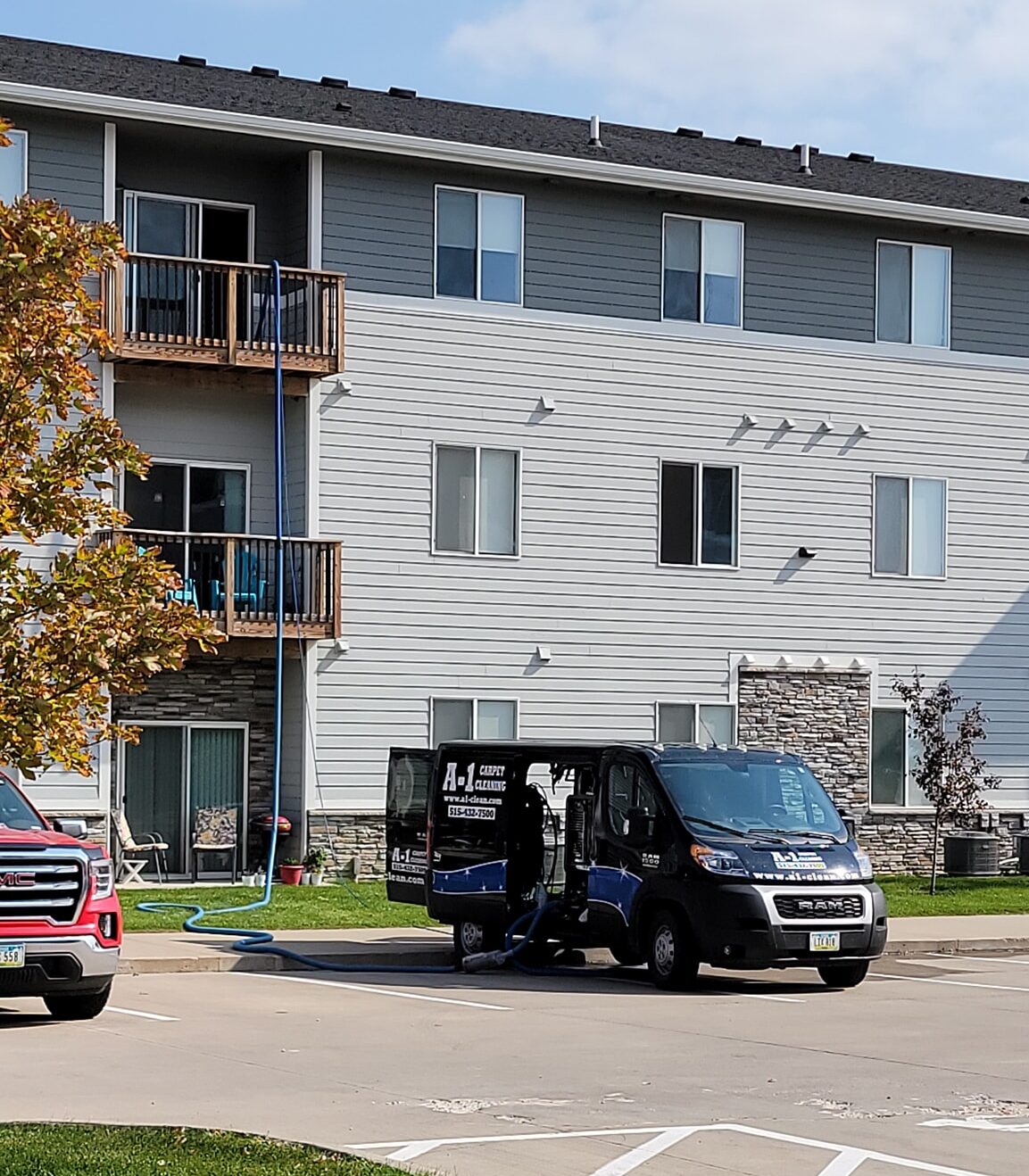
How Often Should Offices Clean Their Carpets?
Most offices need professional carpet cleaning every 6 to 12 months. High-traffic areas like lobbies and hallways need it every 3 to 6 months. Offices with 100+ employees should clean quarterly.
Your office carpet looks fine. But looks are deceiving.
Carpet fibers trap dirt, dust, and allergens long before anything is visible on the surface. By the time your carpet looks dirty, the buildup is already affecting air quality and your team’s health.
Getting your cleaning schedule right protects your employees, extends the life of your flooring, and makes a strong impression on every client who walks in.
Here’s exactly how to figure out the right schedule for your office.
Why This Matters More Than Most Offices Realize
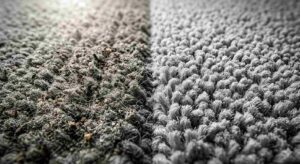
Carpet covers more floor space than any other surface in your office. Every person who walks through the door brings in dirt, dust, and moisture. Over time, those particles sink deep into the carpet fibers — well beyond where a regular vacuum can reach.
What builds up in there is a real problem:
- Allergens like pollen and dust mites
- Mold spores from moisture and spills
- Bacteria from everyday foot traffic
- Harmful particles that get stirred into the air when people walk
The EPA links contaminated carpet fibers to Sick Building Syndrome a condition where employees get recurring health symptoms tied to their time in the building. Poor air quality also reduces focus and drives up sick days, and it’s rarely traced back to the carpet.
There’s also the first impression factor. A client who notices worn, dull flooring makes a judgment about your business within seconds. Clean carpets communicate professionalism. Dirty ones quietly undermine it.
How Often Should You Clean? A Zone-by-Zone Breakdown
The biggest mistake offices make is treating the entire floor the same. Your lobby and your private offices are completely different situations. Break your space into zones and assign frequency based on how much use each area gets.
| Office Zone | Recommended Cleaning Frequency |
| Lobby & Reception | Every 1–3 Months |
| Hallways & Corridors | Quarterly |
| Break Rooms & Kitchens | Quarterly |
| Conference Rooms | Every 3–6 Months |
| Open-Plan Workstations | Every 6 Months |
| Private Offices | Annually |
Office size matters too. Here’s a simple rule of thumb:
- Under 20 employees once a year is usually enough
- 20–50 employees every 6 months
- 50–100 employees at minimum twice a year
- 100+ employees quarterly is the right baseline
What Pushes Your Schedule Earlier
A few situations should prompt you to clean more frequently regardless of your normal schedule.
Seasonal weather
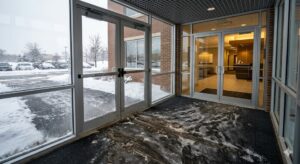
Iowa winters are hard on office carpets. Snow, slush, and road salt get tracked in on shoes every day from November through March. But the real problem is calcium chloride the ice melt used on most Iowa sidewalks and parking lots. It leaves a greasy white residue that works into carpet fibers and simply cannot be pulled up by a standard vacuum. If your entrance carpet has that chalky, oily look in winter, that is calcium chloride buildup. It needs professional extraction to fully remove. Plan a cleaning at the end of winter season every year — it makes a noticeable difference. Spring pollen is another good trigger for scheduling.
Carpet color and material
Light-colored carpets show soiling faster and usually need more frequent attention. Natural fibers like wool need gentler, less frequent cleaning. Synthetic carpets — nylon and polyester — are tougher and handle deep cleaning well.
Employee health needs
If anyone on your team has asthma or seasonal allergies, move to the more frequent end of the recommended range. The air quality difference is real for those employees.
Client-facing spaces
Your reception area and meeting rooms make an impression every single day. Treat those zones on a shorter cycle than the rest of the office.
5 Warning Signs Your Carpet Needs Cleaning Now
Don’t wait for the scheduled date if you’re seeing any of these signs. Acting sooner saves money — and prevents permanent damage.
- A musty or stale smell that doesn’t go away after vacuuming
- Dark “traffic lane” patterns forming in high-use areas
- Carpet looks flat and dull even after a fresh vacuum
- More employees are sneezing, coughing, or calling in sick
- A client visit or office review is coming up soon
One of these is enough reason to move your schedule up. Dirt that gets ground into fibers over time is much harder — and more expensive to remove later.
Which Cleaning Method Is Right for Your Office?
Not all carpet cleaning is the same. The right method depends on how dirty your carpet is and how much downtime your office can handle.
For a fuller picture of how commercial cleaning differs from residential, this guide on residential vs. commercial carpet cleaning in Ames is worth a quick read before you book.
Hot Water Extraction
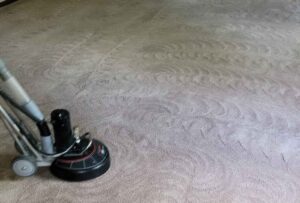
The most thorough option. Reaches deep into carpet fibers and pulls out embedded dirt and allergens. A-1 uses the Rotovac 360i a rotary extraction head that cleans from multiple angles simultaneously. Unlike a standard wand that only moves back and forth, rotary extraction agitates fibers in all directions. That means more dirt removed in a single pass, and a noticeably deeper clean. Best scheduled after hours or on weekends.
Encapsulation
Low-moisture method. Crystalizes dirt so it can be vacuumed away. Minimal downtime great for routine maintenance between deep cleans.
Dry Compound
Best for light soiling. Carpet is usable almost right away. Good choice for sensitive carpet backings.
Bonnet Cleaning
Surface-level method. Fast results but doesn’t remove deep buildup. Not a replacement for full deep cleaning.
If you manage office space or a clinic in the area, A-1’s commercial carpet cleaning service for offices and clinics is built for exactly these environments with scheduling that works around your business hours.
What to Do Between Professional Cleanings
Professional cleaning extends your carpet’s life. So does what you do in between visits. These habits are simple — and they make a real difference.
- Vacuum high-traffic areas daily using a commercial HEPA-filter vacuum
- Blot spills immediately never rub, which pushes the stain deeper
- Use walk-off mats at every entrance (15 feet of matting is the recommended minimum)
- Keep food and drinks out of carpeted areas when possible
- Move furniture occasionally to vacuum underneath and prevent uneven wear
These steps don’t replace professional cleaning. But they extend the time between visits and keep carpets looking sharp in the meantime.
The Business Case for Regular Cleaning
Here’s the simple math.
Professional carpet cleaning costs a fraction of early replacement. But the bigger cost people overlook is productivity. Poor indoor air quality has been shown to cost businesses three to four times more — in lost output — than what regular cleaning would have cost in the first place.
When embedded grit damages carpet fibers over time, you end up replacing the carpet years earlier than you should. A consistent cleaning schedule is not an ongoing expense it’s protection for a long-term asset.
When you’re ready to hire a company, it’s worth knowing who you’re actually working with. Here are three ways to tell if your carpet cleaning company is genuinely local which matters when it comes to reliability and accountability.
Frequently Asked Questions
Daily in high-traffic areas. At a minimum, three times per week across the rest of the office floor.
Yes. Allergens, bacteria, and mold spores that build up in carpet fibers directly affect air quality. This leads to more respiratory complaints, more sick days, and lower productivity.
Yes, significantly. It removes deeply embedded particles that vacuuming misses entirely. The air quality improvement is noticeable, especially for employees with allergies.
Hot water extraction takes 4 to 12 hours. Encapsulation dries in 30 to 60 minutes. Scheduling after hours removes any disruption to your workday.
Not necessarily. Most professional companies offer after-hours and weekend scheduling specifically to avoid business disruption.
Hot water extraction for deep cleaning. Encapsulation for ongoing maintenance. Combining both gives you the best long-term results.
Ready to Get Your Office on the Right Schedule?
A-1 Carpet Cleaning serves businesses across Ames, Iowa with professional methods, flexible scheduling, and honest pricing. We’ll put together a plan that fits your space and your calendar.
📍 Serving Ames, Iowa & surrounding areas