

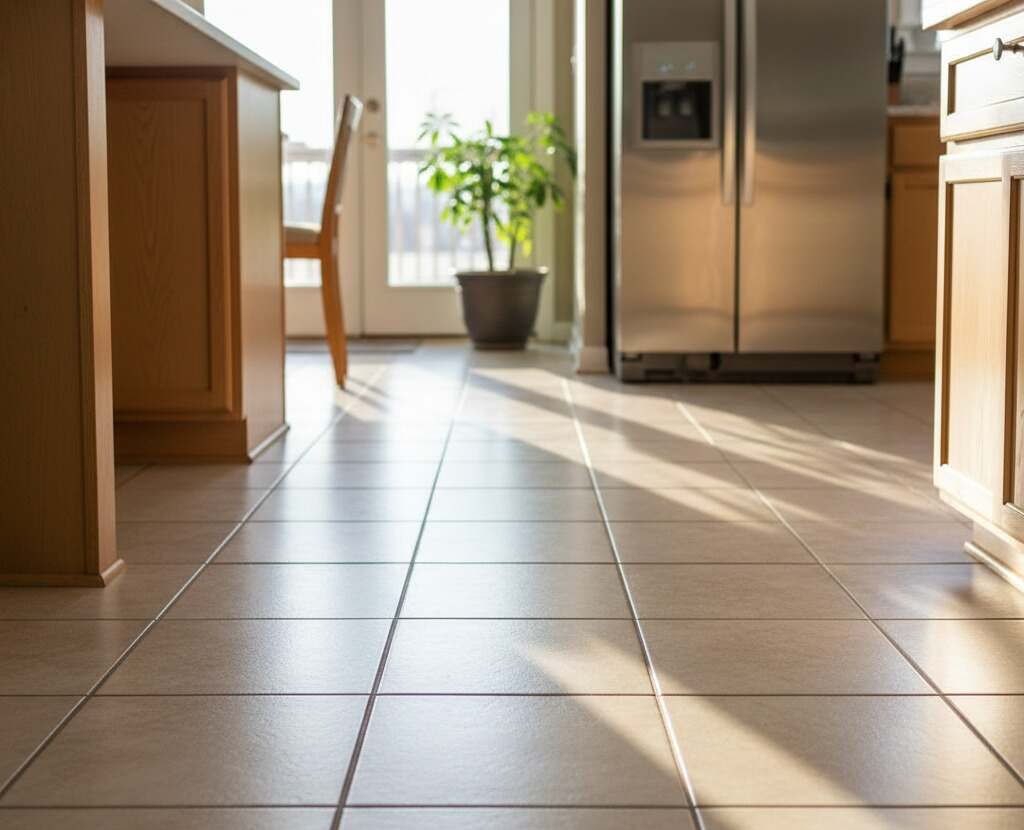
The Ideal Cleaning Schedule for Tile & Grout in Iowa Homes
Tile floors are durable and beautiful perfect for busy Iowa homes, especially in kitchens, bathrooms, mudrooms, and entryways that deal with heavy foot traffic and winter mess. But over time, grout lines darken, stains settle in, and tiles lose their fresh sheen even when you mop regularly. So the big question is:
How often should homeowners in Iowa schedule professional tile and grout cleaning?
The short answer:
Most Iowa homes need professional tile & grout cleaning every 8–12 months, but homes with pets, kids, or heavy traffic benefit from cleaning every 4–6 months.
Below we’ll break down the recommended timeline and help you determine the ideal schedule for YOUR home plus signs it’s time for deep cleaning, benefits, seasonal care tips for Iowa weather, DIY vs pro cleaning comparisons, and more.
Why Cleaning Frequency Matters More in Iowa Than You Think
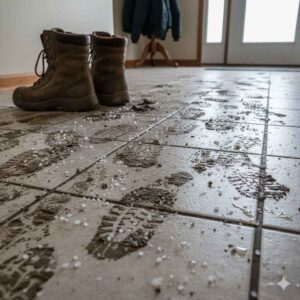
Iowa’s weather plays a big role in how quickly tile and grout get dirty. Humid summers, snowy winters, mud, ice melt, farm dust, and seasonal pollen create buildup inside grout in a way warmer states don’t experience as much. During winter, salt and mud are tracked indoors, and melting snow from boots adds moisture that encourages mold.
Rural homes often deal with fine dust that settles deep into grout, while high humidity increases mildew growth, especially in bathrooms. Hard water stains are also common in many Iowa homes. Even when floors look clean on the surface, grout is porous and easily traps dirt, bacteria, soap scum, oils, allergens, and even pet or food spills.
Over time, this leads to discoloration, bad odors, and tiles losing their shine which is why regular deep cleaning is so important to maintain a fresh, healthy floor.
How Often Should You Schedule Tile & Grout Cleaning?
| Type of Home | Recommended Professional Cleaning Frequency | Why? |
|---|
| Average Iowa Home | Every 8–12 Months | Keeps grout sealers intact, prevents mold growth, and maintains overall floor appearance. |
| Homes with Pets or Kids | Every 6–9 Months | Pet oils, spills, and tracked-in dirt settle deep into porous grout, causing stains and odors. |
| High-Traffic Homes (Kitchen, Hallway, Entry) | Every 4–6 Months | Iowa winter salt, mud, and heavy foot traffic can embed in grout and permanently discolor tiles. |
| Light-Use Areas (Guest Bath, Spare Rooms) | Every 12–18 Months | Less frequent use reduces buildup, but periodic cleaning preserves grout and hygiene. |
| Rental / Move-Out Properties | Before Tenant Turnover | Ensures floors meet landlord and tenant expectations, restoring appearance and cleanliness. |
| Commercial Floors | Every 3–4 Months | High daily foot traffic and dirt accumulation require frequent professional cleaning to protect grout and maintain safety. |
Quick rule:
If you can see dark grout, dull tile, or stains it’s already overdue.
Signs Your Tile & Grout Need Cleaning NOW
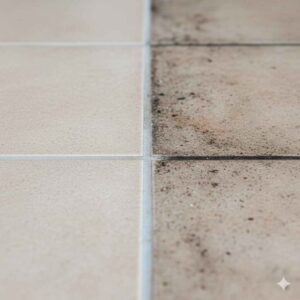
You don’t have to guess whether your floors need professional attention. Look for these clear indicators:
-
Dark or uneven grout: Grout that looks darker than usual or has inconsistent color is a sign of deep soil buildup.
-
Dull tiles: If your tiles look lifeless no matter how much you mop, dirt and grime are trapped below the surface.
-
Musty or sour odors: Lingering smells in bathrooms, kitchens, or mudrooms can mean mold or bacteria are growing in the grout.
-
Visible mold or mildew: Black or green spots in corners, grout lines, or near sinks indicate it’s time for a deep clean.
-
Stubborn stains: Marks that don’t lift with scrubbing are embedded and require professional extraction.
-
Slick or greasy floors: A slick feeling underfoot can be built-up soap scum, grease, or oils that mops can’t remove.
-
It’s been a while: If you can’t remember the last professional cleaning, it’s a safe bet your floors are overdue.
Key Point: Even weekly mopping or DIY methods can’t reach the deep dirt, bacteria, and grime embedded in grout. Professional cleaning extracts what surface cleaning leaves behind, leaving your floors brighter, healthier, and longer-lasting.
Why DIY Mopping Isn’t Enough
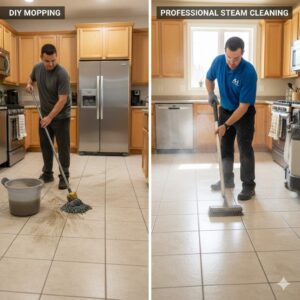
Mopping is great for everyday upkeep, but it doesn’t deep-clean the pores of tile or grout. Instead of fully removing soil, a standard mop often spreads dirty water around and slowly pushes grime deeper into the grout lines. Over time, detergents, soap residue, kitchen grease, and tracked-in dirt settle below the surface where a mop can’t reach.
That’s why floors start looking dull even if you clean regularly. The grout darkens, stains become harder to remove, and high-traffic areas lose their original color. Professional hot water extraction and grout agitation lifts the buildup from inside the grout channels, restoring brightness that DIY methods simply can’t achieve.
DIY cleans the surface.
While DIY cleaning only wipes dirt from the surface, it can’t break through the deep buildup lodged inside grout lines. It may make floors look clean for a short time, but stains and dark grout usually return quickly.
Here is the part most homeowners get wrong.
Kitchen Science: Why Your DIY Cleaners May Be Damaging Your Grout

Many Iowa homeowners reach for “natural” solutions like vinegar or heavy-duty chemicals like bleach to clean their tile. While these seem effective in the short term, the science behind them tells a different story.
The Acid Trap (Vinegar & Lemon)
Grout is a cement-based product, which means it is alkaline. When you apply an acidic cleaner like vinegar or lemon juice, a chemical reaction occurs. The acid actually eats away at the grout’s structure, microscopically “etching” the surface.
-
The Result: Your grout becomes more porous and rough. Instead of staying clean, those new microscopic holes act like magnets for Iowa mud and kitchen grease. By using acid, you are effectively making your floor get dirty faster in the future.
The “Sandpaper” Effect of Mopping
When you mop, you aren’t always removing dirt you are moving it. Because grout lines sit lower than the tile, the mop acts like a squeegee, pushing dirty water into the “valleys” of the grout. As the water evaporates, it leaves behind a concentrated layer of grit.
-
The Result: Walking on this grit creates a “sandpaper effect,” grinding dirt deeper into the pores every time someone walks through the room.
The Professional Difference: Deep Cleaning That Protects Your Floors

Unlike DIY methods that can damage grout and push dirt deeper, professional tile and grout cleaning uses pH-balanced solutions designed to lift soil without harming your floor’s structure. High-temperature steam and specialized extraction equipment reach deep into the grout lines, removing years of embedded dirt, grease, mold, and bacteria that mops and acidic cleaners simply cannot.
While DIY mopping or vinegar-based solutions may seem effective at first, they leave behind residue, weaken the grout, and make it more prone to staining. Professional cleaning, on the other hand, restores grout, preserves sealers, and extends the life of your tile. The result is floors that are not only visibly cleaner but also healthier, safer, and longer-lasting a difference that DIY simply can’t achieve.
Benefits of Routine Tile & Grout Cleaning
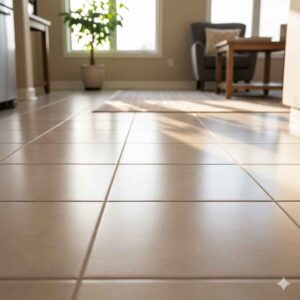
Scheduling professional tile and grout cleaning on a regular basis offers more than just a visibly cleaner floor it protects your investment, improves hygiene, and makes everyday maintenance easier. Here’s what routine cleaning can do for Iowa homes:
-
Extend the lifespan of your floors: Dirt, grime, and trapped moisture can erode grout over time. Regular deep cleaning preserves grout and tile integrity, helping floors look new for years.
-
Restore natural shine and color: Grout darkens and tiles dull over time. Professional cleaning lifts years of buildup, bringing back the original brightness of your floors.
-
Remove allergens and bacteria: Dust, pollen, pet dander, mold, and bacteria accumulate deep in grout lines. Routine cleaning keeps your home healthier, especially for families with kids or pets.
-
Prevent staining and discoloration: Early cleaning stops stubborn stains from setting, reducing the need for costly repairs or resealing.
-
Stop mold and mildew growth: Iowa’s humid summers and wet winters create the perfect environment for mold. Regular extraction removes the moisture and organic material mold feeds on.
-
Make everyday cleaning easier: Once deep soil is removed, regular sweeping and mopping are far more effective, saving you time and effort.
-
Enhance home appearance instantly: Clean, bright floors make any room feel fresh and well-maintained, leaving a lasting impression on guests or potential buyers.
Key Takeaway: Regular professional cleaning is an investment in your floors, health, and home. By keeping grout and tile in top condition, you prevent damage, preserve shine, and maintain a healthier living environment year-round.
Iowa Seasonal Care: Best Months for Cleaning
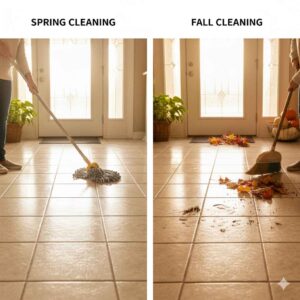
Because Iowa has freezing winters, muddy spring thaws, and humid summers, the timing of tile and grout care matters more than most people realize. Many homeowners prefer Spring (March–May) to wash away winter salt, mud, and moisture that can stain grout and encourage mold growth.
Others choose Fall (September–November) to freshen floors before the holidays and the heavy indoor season. Both seasons offer ideal drying conditions and help maintain a brighter, longer-lasting finish.
However, tile and grout can be cleaned any time of year especially if you have pets, see darkening grout, or notice odors coming from kitchen or bathroom areas. If you’re already planning carpet cleaning around these same seasonal windows, it’s even more efficient to schedule both together.
You can learn more about the best cleaning seasons here: Best Time for Carpet Cleaning in Ames, Iowa. Keeping tile, grout, and carpets on a regular schedule helps prevent deep soil buildup and reduces long-term wear.
How to Maintain Your Tile Between Professional Cleanings
Here’s how to extend time between services:
-
Sweep/vacuum 2–4x weekly to prevent grit abrasion
-
Use neutral-pH tile cleaner (avoid bleach & acidic vinegar on grout)
-
Wipe up spills immediately
-
Keep bath/shower corners dry to stop mildew
-
Consider professional sealing after deep cleaning
Sealed grout resists stains 3–5x better.
Frequently Asked Questions (FAQ)
How often should tile floors be sealed?
Every 12–24 months, especially in bathrooms and kitchens.
Can vinegar damage tile & grout?
Yes acidic cleaners can erode grout. Use pH-neutral products only.
How long does professional cleaning take?
Most homes finish in 1–2 hours depending on size.
Will cleaning remove yellow or dark grout stains?
In most cases yes, and deep-set stains often improve significantly.
Does tile cleaning help with allergies?
Absolutely removes dust, pollen and bacteria that settle into grout.
When Was the Last Time Your Tile Was Professionally Cleaned?
Protect Your Floors with Grout Sealing
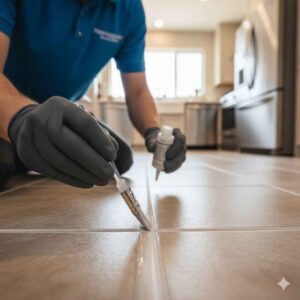
After a deep professional cleaning, the pores in your grout are wide open and ready to absorb dirt and spills. Leaving them unsealed is like washing a car without waxing it your grout becomes vulnerable to stains from Iowa mud, winter salt, and kitchen spills.
Why Professional Sealing Matters
-
Repels Liquids: A professional-grade sealer creates an invisible barrier. Liquids like coffee, wine, or melting snow will bead on the surface instead of soaking in, giving you time to wipe them away.
-
Makes Regular Cleaning Easier: Sealed grout is smoother, so mopping and sweeping remove dirt more efficiently and with less effort.
-
Protects Against Winter Damage: Sealers help resist harsh salt and ice-melt chemicals common in Ames winters, preventing permanent discoloration and chemical staining.
Check Your Grout Protection
Not sure if your grout sealer is still effective? Try the simple “Water Test”: place a teaspoon of water on the grout. If it darkens and absorbs within a minute, it’s time for resealing.
Protect your investment and keep your floors looking their best.
Ready to Restore and Protect Your Tile & Grout?

Don’t wait until dirt, stains, or winter damage take their toll. A-1 Carpet Cleaning provides professional tile and grout cleaning in Ames, Iowa, using advanced equipment and pH-balanced solutions to remove deep-set dirt, bacteria, and odors.
Enhance your home’s appearance, extend the life of your floors, and make routine cleaning easier with our expert grout sealing services.
Call A-1 Carpet Cleaning today at 515-432-7500
Or request your free tile & grout estimate online now